
Consumer proposal solutions for self employed individuals
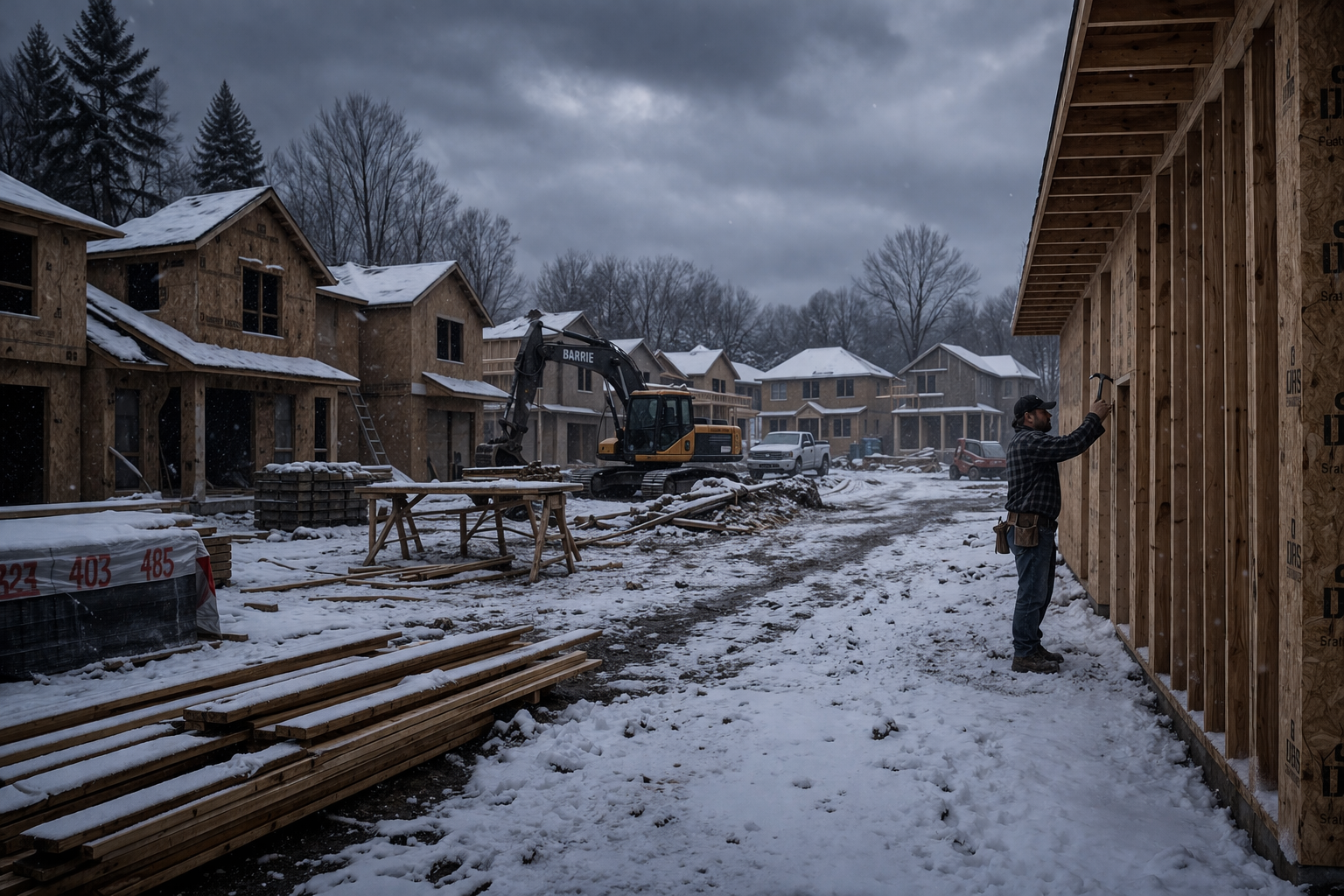
Times have been tough for self employed individuals in Canada. Across industries, rising costs and economic pressure have created real challenges. A consumer proposal may help you reduce debt and move forward with a fresh start guided by a licensed insolvency trustee.




We understand what you are dealing with and restructuring your debt through a proposal can give you the fresh start you need
When you are self employed, debt is rarely simple. It can involve personal liability, tax obligations, supplier balances, and operational pressures all at once. Recent years have hit construction, real estate, restaurant and other industries particularly hard.
We regularly help business owners and contractors navigate complex financial situations through debt restructuring solutions like a consumer proposal or, where appropriate, a bankruptcy.
Depending on the size of your debt, this may involve either a consumer proposal or a Division I Proposal under the Bankruptcy and Insolvency Act. The right approach depends on your total obligations, income, and business structure. Our role is to help you understand and navigate that.
CRA debt including HST and payroll
Tax debt can escalate quickly with interest and penalties. A consumer proposal for CRA debt or bankruptcy may be the only structured way to reduce principal and stop accumulation.
Credit cards and unsecured business loans
High interest debt from credit cards and loans can become unmanageable, especially during slow periods or unexpected downturns.
Consumer proposal for manageable debt levels
A consumer proposal is typically used when total debt falls within regulated limits and allows you to reduce what you owe and make one structured monthly payment.
Division I proposal for higher debt situations
A Division I Proposal is used when debt exceeds consumer proposal limits and applies to more complex financial situations, often involving larger business or contractor obligations.
After a proposal or debt restructuring, this is what you can expect
A structured debt solution can provide immediate relief and a clear path forward, allowing you to stabilize your finances and focus on rebuilding.
-
Collection actions are stopped
Once your proposal is filed, most collection calls and enforcement actions are halted, giving you space to focus on your business and recovery.
-
One consolidated monthly payment
Multiple debts are combined into a single, manageable payment that aligns with your financial capacity.
-
Interest and penalties are frozen
Interest typically stops accumulating, allowing you to focus on paying down the agreed amount rather than falling further behind.
-
Debt can often be reduced
In many cases, creditors agree to accept a reduced amount, making repayment more realistic and achievable.
-
Opportunity to rebuild credit
As you complete your proposal, you can begin rebuilding your credit and strengthening your financial position over time.
-
Flexibility to pay off early
You can pay off your proposal sooner without penalty, helping you exit the process faster if your situation improves.
True or False
HST debt cannot be included in a proposal?
False. HST debt can be included in a proposal and the CRA routinely accepts proposals that include HST debt. Do you have HST debt?
Consumer proposal FAQs for self employed individuals
Yes, many types of debt accumulated during COVID-19, including government obligations, loans, and deferred payments, can be included in a consumer proposal.
For small business owners and contractors, this may include CEBA loans, tax deferrals, and other financial pressures that built up during that period. A proposal can help consolidate and restructure these obligations into a manageable plan.
Because these debts can vary in structure, it is important to review them carefully with a licensed insolvency trustee to determine how they can be addressed.
Yes, a consumer proposal for CRA debt can include income tax, HST, and other government obligations. This is one of the few structured options available to reduce CRA debt, including principal in some cases, while stopping interest and penalties from continuing to grow.
For business owners and contractors, CRA debt can become one of the most challenging aspects of financial pressure. A consumer proposal provides a formal way to address this through a legally administered process.
Each situation is different, so it is important to review your specific obligations with a licensed insolvency trustee.
In many cases, yes. A consumer proposal is designed to help you restructure debt while retaining your assets, including your home and vehicle, depending on your equity and financial situation.
This is one of the key differences compared to bankruptcy in Canada, where asset treatment may vary.
Your trustee will review your assets and explain how they are treated under each option so you can make an informed decision.
Rebuilding credit begins during and after completing your consumer proposal. While your credit is impacted initially, many individuals are able to start rebuilding through responsible financial habits, secured credit products, and consistent payments.
Compared to bankruptcy in Canada, some individuals find that proposals offer a more gradual path to rebuilding.
Your trustee can provide guidance on how to approach this once your plan is in place.
A consumer proposal can typically be structured over a period of up to five years. However, you have the flexibility to pay it off sooner without penalty if your financial situation improves.
This flexibility allows you to balance affordability with the ability to exit the process earlier if possible.
Your repayment terms will be based on what is realistic for your situation and agreed upon with your creditors.
A consumer proposal is a formal debt restructuring process administered by a licensed insolvency trustee that allows you to reduce your unsecured debt and repay a portion over time. For small business owners and contractors, this can include both personal and business related debt where personal liability exists.
Rather than continuing to manage multiple creditors, high interest rates, and growing balances, a consumer proposal consolidates what you owe into one structured monthly payment. In many cases, the total amount repaid is reduced, making it more realistic to complete.
This process is governed under Canadian law and once filed, it can stop most collection actions. It is often considered by individuals who are still earning income but need relief from overwhelming debt. The right approach depends on your financial situation, which is why speaking with a trustee is the first step.
A Division I Proposal is a formal restructuring process under the Bankruptcy and Insolvency Act used when total debt exceeds the limit for a consumer proposal. It is also administered by a licensed insolvency trustee and is commonly used by business owners or individuals with more complex financial situations.
Unlike a consumer proposal, a Division I Proposal involves a more formal voting process with creditors and stricter timelines. If the proposal is not accepted, it may automatically result in bankruptcy, which is an important consideration.
This type of proposal can still provide an opportunity to restructure debt, reduce what is owed, and continue operating under a structured plan. Because of its complexity, it is important to review your situation carefully with a trustee.
A consumer proposal allows you to repay a portion of your debt over time while avoiding bankruptcy, whereas bankruptcy in Canada is a legal process that can eliminate debt when repayment is no longer possible.
In a consumer proposal, you retain more control over your assets and make structured payments based on what you can afford. Bankruptcy may involve different obligations depending on your income and assets.
The right option depends on your financial situation, which is why it is important to review both with a licensed insolvency trustee.
The main difference between a consumer proposal and a Division I Proposal is the amount of debt and the level of complexity involved. A consumer proposal is designed for individuals with debt below a certain threshold, while a Division I Proposal applies when debt exceeds that limit.
Division I Proposals involve a more formal legal process, including creditor voting meetings and stricter acceptance requirements. They are often used by business owners with larger or more complex debt structures.
Both options are administered by a licensed insolvency trustee and can provide a way to reduce debt and avoid bankruptcy, depending on your circumstances.
You make your monthly payment directly to your licensed insolvency trustee, who then distributes funds to your creditors according to the terms of your proposal.
This simplifies your financial obligations by replacing multiple payments with one structured plan.
It also ensures that your payments are managed professionally and in accordance with Canadian regulations.